
By the beekeepers at Madhukar Honey Farm · 10 November 2026
Buying honey in bulk is very different from picking a jar off a supermarket shelf. Whether you run a distribution business, an Ayurvedic brand, a bakery or a hotel kitchen, the honey you source decides your product quality, your margins and your customers' trust. This guide walks through what experienced buyers check before they place a wholesale honey order in India.
1. Decide the variety (or varieties) you need
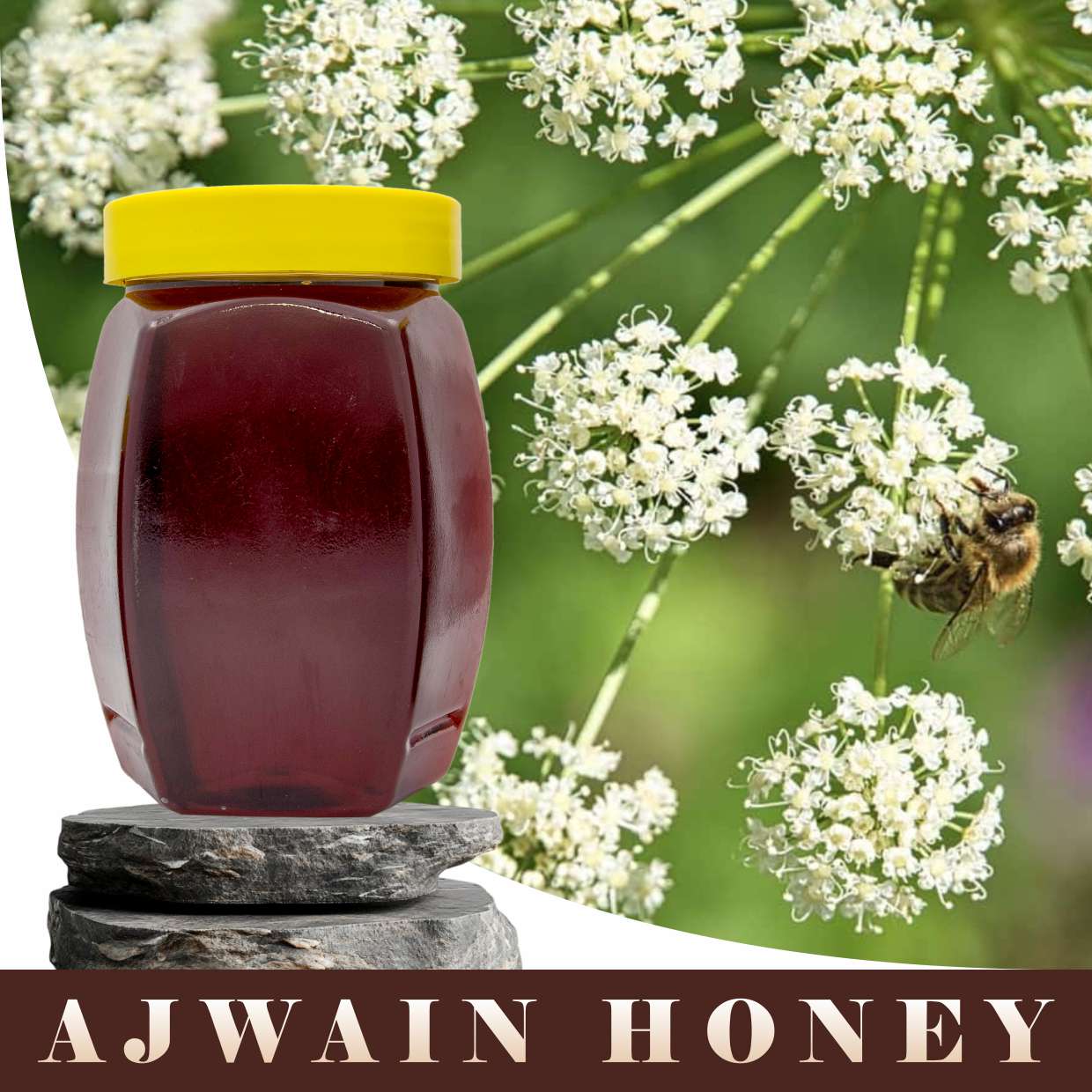
Honey takes its flavour, colour and texture from the flowers bees visit. A multiflora honey is balanced and works for almost every use. Mono-floral honeys such as ajwain, jamun, tulsi or acacia have distinct profiles and command premium prices on the shelf.
- Multiflora — everyday retail, food service and bakery.
- Ajwain, jamun, tulsi — Ayurvedic and wellness brands.
- Acacia — beverages, squeeze packs and kids' products (stays liquid longer).
- Forest and Himachal — premium retail and gifting.
2. Choose bulk cans or packed jars
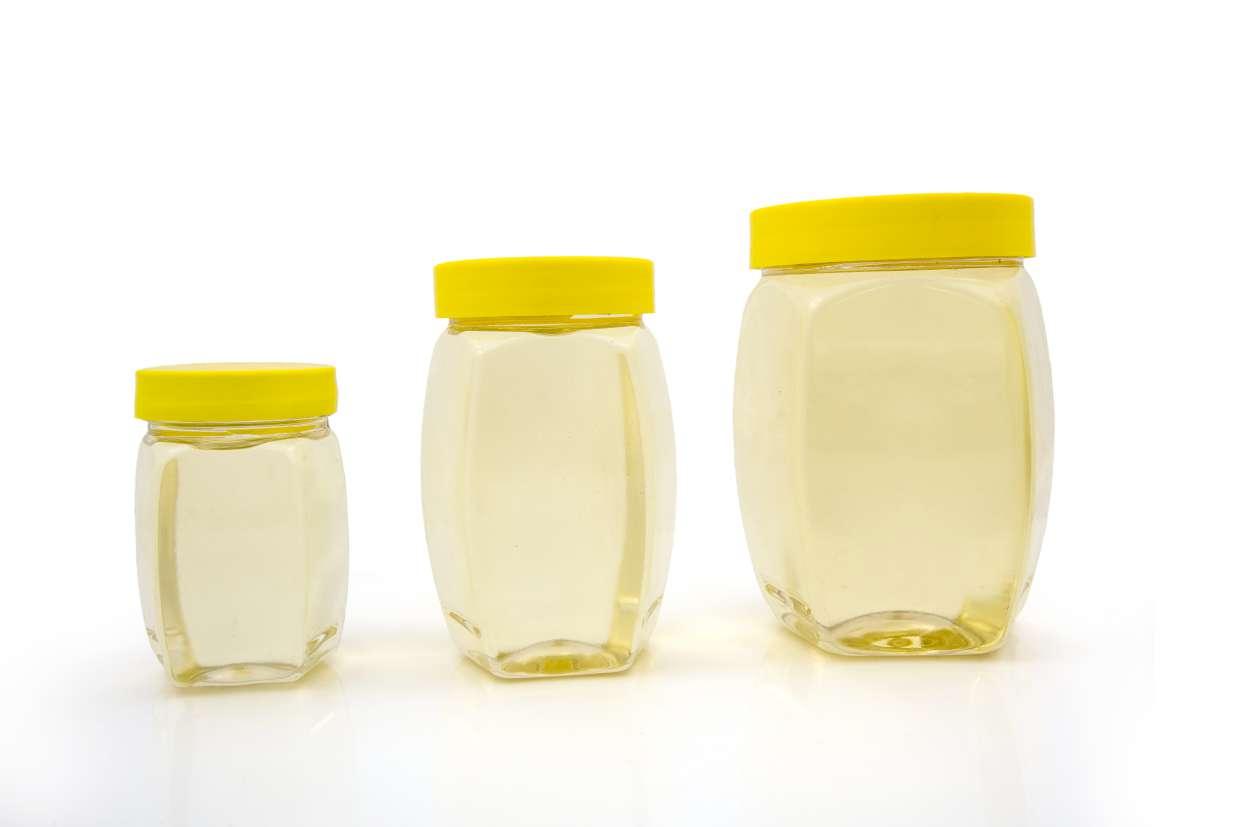
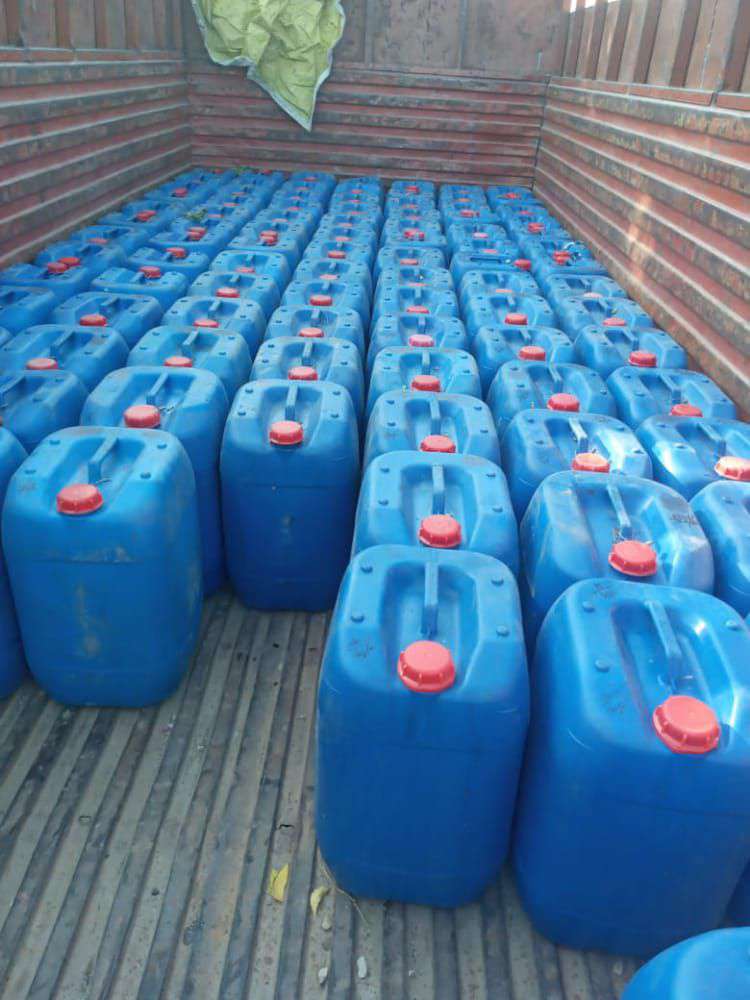
If you repack under your own process, buy honey in 30 or 50 kg food-grade cans or 300 kg drums — bigger packs give the lowest price per kg. If you want retail-ready stock, buy packed jars by the carton. PET jars are light and shatter-proof; glass jars look premium and suit gifting.
3. Understand the price per kg
Bulk honey is quoted per kg. Packed honey is quoted per jar, and the effective price per kg rises for smaller jars because the jar, seal, label, box and labour cost is spread over less honey. For example, a 1 kg PET jar may work out close to the bulk rate, while a 50 g mini costs more per kg but sells at a much higher retail price.
Always compare honey on an equal basis: same variety, same packing, same delivery terms.
4. Check compliance: FSSAI and labelling
Every food business supplying honey in India must hold an FSSAI licence, and the licence number must appear on the label. Ask your supplier for their licence details and, for larger orders, for lab test reports on the batch you're buying.
5. Ask for samples and visit if you can
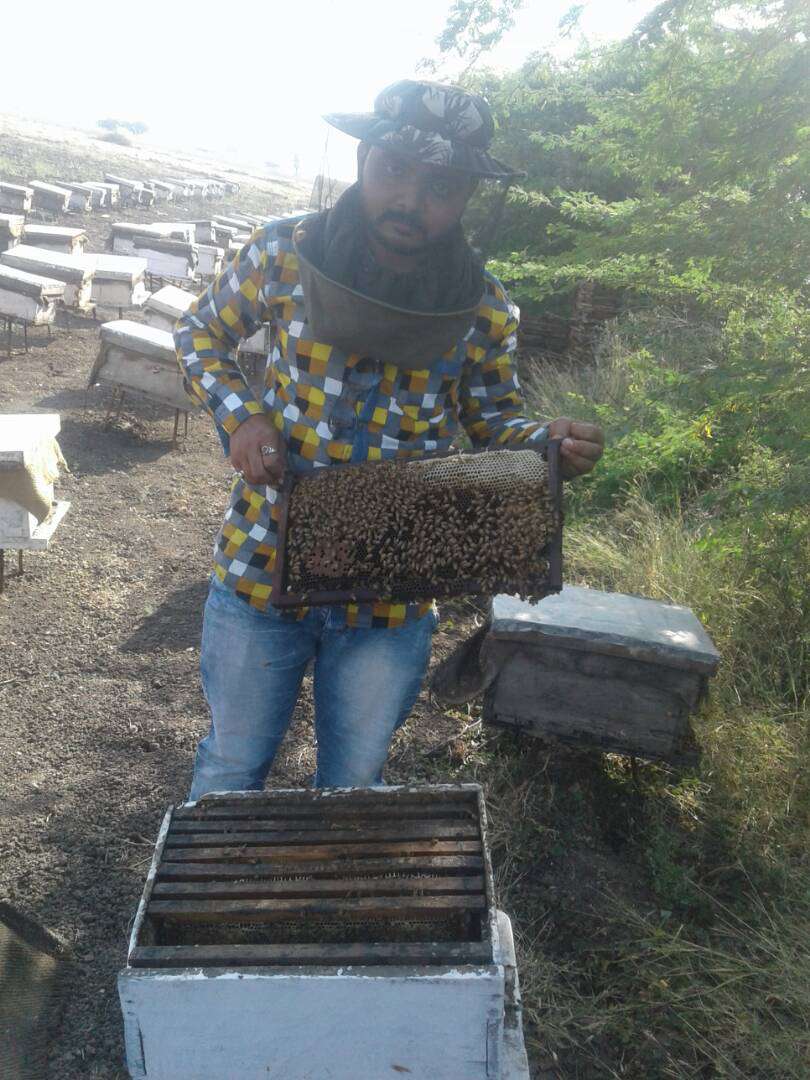
A trustworthy supplier will happily send samples. Taste the honey, check its colour and aroma, and see how it behaves in cold weather. If you can, visit the apiary — seeing bee boxes in the field tells you a lot about where the honey comes from.
6. Plan for seasonality
Honey is an agricultural product. Mono-floral varieties are harvested in specific flowering seasons, so lock in volumes early for festive demand such as Diwali gifting.
Quick checklist before you order
- Variety and quantity (in kg or cartons).
- Packing: 30 kg / 50 kg can, 300 kg drum, PET or glass, and size.
- Private label or supplier brand.
- Delivery city and timeline.
- FSSAI licence and batch reports.
- Sample approval.